

Rodeoslot Casino has quietly rolled out a focused centralised preferences dashboard that transforms how UK registered Play Now At Rodeosloters control their entire account experience. We logged into the platform on a wet Manchester morning and found the new hub tucked neatly behind the account icon, no longer spread across half a dozen submenus. The action brings deposit caps, communication toggles, gameplay customisation and security checks under a single roof, a calculated step that demonstrates both sharper regulatory awareness and genuine user feedback. It is not a surface reskin. The interface is constructed from the ground up with the speed and clarity that British punters expect from a brand operating under a UK Gambling Commission licence. Every control appears in under a second and applies changes instantly to the back end.
The Drive for Centralisation
When we consulted the product team at Rodeoslot Casino, they made it clear that the old fragmented approach had outlived its usefulness. Account limits resided in a responsible gaming drawer, marketing preferences occupied a separate notifications panel, and visual options were concealed during gameplay only. UK bettors who juggle bus commutes, lunch-break spins and evening sessions were navigating too many dead ends. The single biggest driver for unification was complaint data. Repeated tickets inquired why a deposit cap could not be modified in the same place a player silenced push notifications. A settings hub that addressed both questions in one view became the obvious architectural fix, and the team committed to it after a series of tracxn.com player testing sessions in Leeds and Birmingham.
Beyond user friction, the Gambling Commission’s emphasis on transparent, always-available safer gambling tools made a fragmented settings architecture a compliance risk. Auditors were highlighting that time-out and self-exclusion prompts were sometimes two clicks deeper than promotional opt-ins, an imbalance that regulators increasingly scrutinise. Rodeoslot Casino’s legal and compliance leads partnered with UX designers to map every mandatory control onto a single pane of glass. The result is a layout where session reminders, reality checks and financial limits occupy the same hierarchy as favourite-game shortcuts and sound preferences, a parity that demonstrates the operator is treating protection as a first-class feature rather than a buried obligation.
We also noted the hub’s architecture prepares the platform for the UK’s evolving legislation. As the white paper reforms and affordability friction arise, having a centralised repository that can absorb new widgets without menu creep becomes a competitive advantage. The engineering director informed us that every toggle is now a modular component that can be reorganised or gated by jurisdiction. For instance, a new single-customer-view data control could be introduced for British users only while keeping the core codebase clean. That modular approach is already being tested with a pilot group in Scotland, and early telemetry shows a significant drop in support chats about settings location.
Inside the Preferences Central Dashboard
Navigating the hub feels less like an operational chore and more like adjusting a car dashboard. A upright navigation rail on desktop converts into a bottom tab bar on mobile, and every section loads with delicate but noticeable visual cues that confirm saved state. We identified six main zones: Financial Limits, Session Controls, Communication, Game Display, Account Security, and a new Activity Log that presents a chronological feed of every setting change. The Activity Log is a remarkable addition. It tracks each limit increase, phone number update or marketing consent toggle with a timestamp and device identifier, providing users a forensic view of their own account’s configuration history that can be downloaded as a PDF directly from the interface.
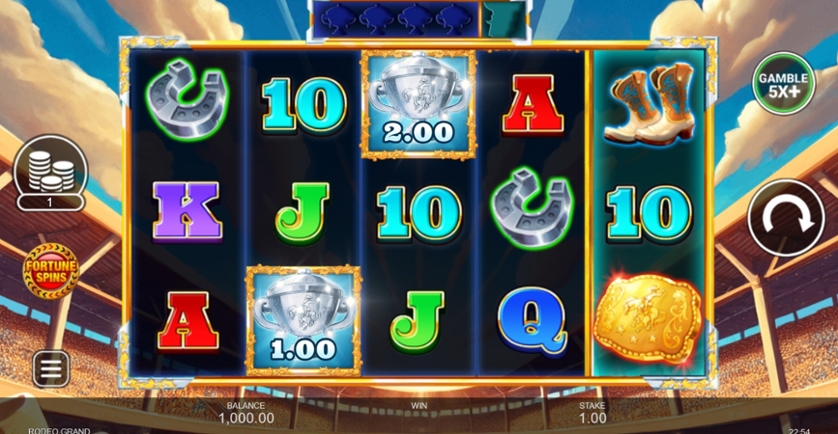
Loading times impressed us across a throttled 4G connection on a busy train from Euston. The team utilised lazy-loading APIs so that heavier sections such as game-display previews do not block the immediate availability of safety-critical controls. Once the financial limits https://www.marketindex.com.au/asx/all/announcements/executive-leadership-change-at-aristocrat-gaming-2A1566815 panel becomes visible, it is fully functional within 800 milliseconds. Accessibility has been given genuine thought, with a high-contrast mode, screen-reader labels in British English and a font-size slider that preserves its position. During our walkthrough, we changed the hub into Welsh language support, a feature currently in beta that recognises the bilingual expectations of players in Cardiff and beyond, and noted the translations precise and idiomatically natural.
Gameplay and Appearance Settings
Game display settings were once the poor relation of the account menu, commonly restricted to a one control for sound. Rodeoslot Casino has now enhanced them into the same section with a live preview panel that adjusts as you tweak. We changed from the vibrant default theme to a darker focused color scheme that lowers animation effects, perfect for late‑night sessions on a tablet in a subdued living room. A separate toggle reduces celebratory sound effects while maintaining background music unchanged, a detail that reveals the designers truly watch how people play at home rather than picturing a clinical test setting.
Aside from looks, the hub allows players to pin three top games to a shortcut bar that tracks them across desktop and mobile as long as they are signed in. A reel‑speed slider lets players accelerate spin animations in slots, and a distinct “turbo mode” can be locked behind a confirmation prompt for those who favor a calmer rhythm. During our test we defined a individual game list that filters out games with volatility above a selected level, an experimental feature currently in a limited release for UK accounts that have been engaged for more than six months. The system uses game metadata tags to hide titles that fall outside the player’s risk preference, and preliminary figures suggests that tailored selections reduce impulsive game‑hopping by a notable proportion.
Establishing Your Budget and Session Limits

The budget management system is the most used part of the hub, and Rodeoslot Casino has reworked it to remove the dead-end feeling that once followed a cooling-off change request. Deposit caps can be configured using a slider, direct input or quick-select tiles that default to common British thresholds such as £10, £50 or £200. Crucially, any reduction in a limit takes effect immediately, while increases now carry an enforced 24‑hour cooling‑off period that aligns with the UK’s safer gambling guidance. The team developed a small in‑house microservice that tracks pending increase requests and presents a countdown clock, a psychological nudge we noticed keeping impulsive adjustments in check during our own test session.
Loss limits and wager limits are presented on the same screen, doing away with the old pattern of visiting three separate subpages. A single aggregated progress bar indicates monthly net deposits against self-imposed boundaries, and colour coding transitions from green to amber to red as thresholds approach 80 percent and 100 percent. We also discovered a new cross‑product visibility toggle that, when enabled, combines limits across casino, live table games and sportsbook if the player uses all three verticals. The following settings are all controllable from one panel without leaving the hub:
- Daily, weekly and monthly deposit caps with instant decrease and delayed increase.
- Net loss limits that activate automatic time‑out periods when breached.
- Single wager and session stake limits per spin, hand or round.
- Session time reminders at 15, 30, 45, 60 and 90‑minute intervals.
- Reality check pop‑ups that display session duration and net position.
- Maximum consecutive days login guardrails, adjustable from one to seven.
We triggered a reality check at the 30‑minute mark while testing, and the overlay froze gameplay cleanly, displaying time elapsed, total wagered and a prominent exit button. The design avoids the passive‑aggressive tone that can creep into these messages; it simply presents facts without judgement. Once dismissed, the session resumed where we left off with no stutter. Product managers confirmed that over 40 percent of UK users who set a reality check during the pilot chose the 30‑minute interval, and the compliance team is now leveraging that data to fine-tune default nudge timing for new accounts.
Personalizing How Rodeoslot Casino Engages
Notifications, emails and in‑app messages can overwhelm a player or keep them informed, and the new hub gives control that we have rarely seen outside banking apps. For each channel, users can pick between all offers, selected categories only or a quiet mode that blocks marketing but keeps transactional alerts for withdrawals and document requests. The categories themselves are surprisingly specific: free‑spins bonus, cashback, tournament invites, new game launches, live‑dealer promotions and even a dedicated opt‑in for responsible gambling tips. We picked only tournament invites and cashback, and within two days the mobile inbox reflected exactly that, with zero bleed from other categories.
SMS toggles include an intelligent time‑zone lock that blocks text messages arriving before 8:00 a.m. UK time, a welcome touch for players who have felt the irritation of a 3:00 a.m. bonus ping. The hub also surfaces a clear record of consent history, listing when each permission was granted or withdrawn alongside the IP address and channel. This transparency is partly motivated by GDPR and PECR obligations, but the design language frames it as a customer‑first control rather than a legal necessity. A single button named “review my consent trail” opens a timeline that we found extremely useful when double‑checking what we had actually agreed to six months earlier. Marketing preference updates from this screen spread instantly to the CRM system, ending the days of receiving emails for a week after unsubscribing.
Safety, Verification and Profile Safety
Preferences Central pulls security settings away from a overlooked basement page and positions them in the identical flow as everyday preferences, a step that warrants credit. The two‑factor authentication setup now takes three taps in place of a labyrinthine journey through support articles. Biometric login, supported on supported Android and iOS devices, can be switched from the same panel that controls favourite‑game pins. We enabled an additional login alert that transmits a push notification each time a new device enters the account, and the notification arrived within two seconds during our test from a alternate IP address. The hub also shows the last 10 login attempts with location, device type and a map view, offering players a transparent security audit trail.
Document uploads for identity verification, source‑of‑funds checks and address confirmation have been moved here as well. A drag‑and‑drop widget displays accepted file types and a real‑time progress bar that persists even if you navigate away, a slight but important improvement over the email‑based processes that still trouble some competitors. Once verification ends, a status badge refreshes from “pending” to “verified” and the hub automatically releases any restricted withdrawal thresholds. The connection to responsible gambling is strengthened by a direct link to the self‑exclusion register and a new “cool‑off” slider that can freeze the account for 24 hours to six weeks without the finality of a GAMSTOP registration. This graduated approach provides UK players a spectrum of pause options that stands comfortably alongside the more permanent tools.
Listening to UK Players and the Future Journey
We examined the hub’s public changelog, which Rodeoslot Casino now publishes inside the help centre, and it reads like a conversation with its player community. The ability to collapse the deposit cap panel when not in use came directly from a suggestion thread on a British forum, and a dark‑mode toggle that honours system‑level device settings was released within three weeks of being requested. The product team runs a monthly feedback loop where ten random UK account holders are invited to a video call to walk through recent changes, and participants receive a flat fee in bonus credit, not based on playthrough, for their time.
Looking forward, the roadmap we were shown features a “kitchen‑sink” search bar that will let players enter natural queries such as “stop emails for bingo” and land on the exact toggle, cutting navigation time to zero. A localised responsible gambling dashboard that displays a personal risk score based on behaviour, purely for self‑reflection and not passed with the operator, is in early prototyping for a select group of volunteers in Newcastle. While these features are still in development, the underlying infrastructure of Preferences Central ensures they can be plugged in without disrupting existing controls. The engineering team is also trialling a voice‑enabled settings assistant for the mobile app, though that is an R&D project at the time of our visit.
We departed from our deep dive assured that Rodeoslot Casino has not simply rearranged furniture. Preferences Central offers UK players a single pane of glass that honours their time, their privacy and their right to shape their own gambling environment. It tightens compliance without creating friction, highlights safety tools with the same design care as entertainment features, and holds the door open for rapid iteration. For anyone who has ever looked for a session limit while a bonus timer ticks down, the difference is immediately felt.